← Insights
HealthAugust 19, 2026 · 4 min read

Lab asset inventory audit: a practical operator guide

Most process pain has nothing to do with effort. Smart people work hard around a system that was never designed to carry the work, and everyone mistakes the.

8 sectionsHATT Product Labasset inventory softwareoperations workflow

Most process pain has nothing to do with effort. Smart people work hard around a system that was never designed to carry the work, and everyone mistakes the symptom for the cause.

This piece is about lab asset inventory audit: a practical operator guide, and specifically about an off-the-shelf tool that fits the brochure and not the real work. This is for founders and operations leads who keep buying tools and still cannot answer a simple question without a meeting.

01The part nobody puts on a slide

A healthy process has ownership that is obvious for each handoff, exceptions that have a named path, reporting you can trust without a manual pass, and a next action that is visible without chasing anyone. When those fail, more software tends to add noise rather than clarity to a purpose-built system.

A healthy version of a purpose-built system tends to have four things:

  1. Nothing critical depends on one person being reachable
  2. The next action is visible without chasing anyone
  3. Exceptions have a named path instead of a favourite inbox
  4. Work moves on its own instead of waiting for a nudge

02A real operator scene

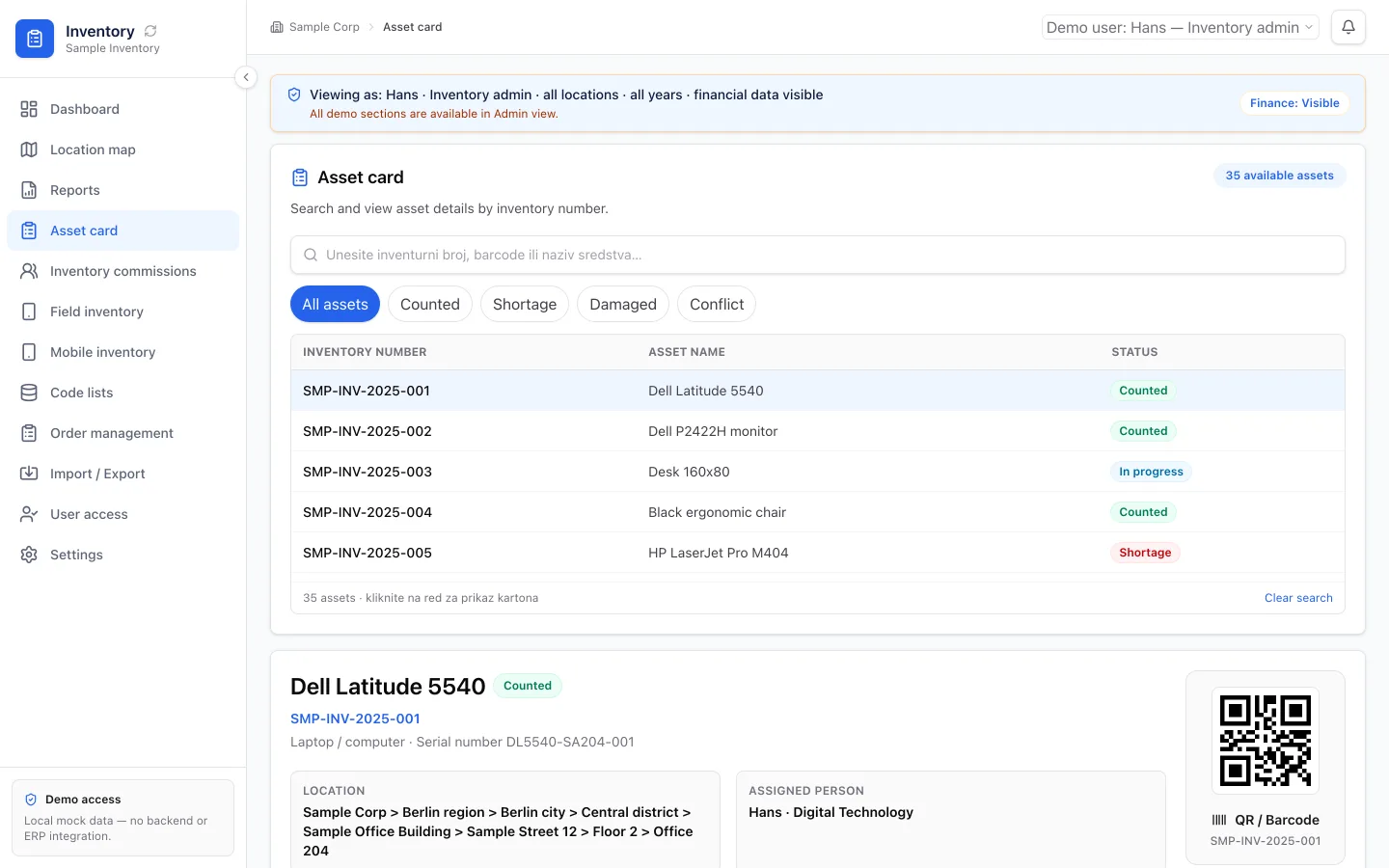
A team tracks physical assets in a sheet that lives on one laptop. It works until an audit, when the difference between what is recorded and what exists turns into a week of manual checking that a purpose-built system would have prevented.

Notice that nobody in that story is doing anything wrong. The system was never designed to carry the work end to end, which is exactly where HATT starts: find the worst handoff, give it an owner, and build the narrow system that holds it. More on that here: how to scope an mvp internal tool without overbuilding.

03Questions worth asking first

Run the process through these before you spend anything:

  1. Is your process standard enough for a generic tool, or shaped by how you specifically operate
  2. What would a purpose-built version remove from every cycle
  3. Where does the work become archaeology instead of a lookup
  4. Which reporting requirement does no off-the-shelf tool produce cleanly
  5. Which exception does the current tool quietly refuse to handle

Where the answers get vague, that vagueness is the bottleneck. Map it before you buy.

04A sensible first version

A good first build removes something painful and repeatable in a purpose-built system. Weak first builds swap a sheet for a form and keep the same hidden chaos underneath. Strong ones take the worst handoff and give it an owner and a path.

Good first targets tend to look like this:

  • The reporting requirement an auditor expects that no generic tool produces
  • The asset or record tracking that falls apart the moment it is audited
  • The cycle that turns into archaeology every time it comes around
  • The one workflow that is genuinely shaped by how you specifically operate

Buying a system buys you speed today and a dependency tomorrow. Building buys you control and a bill up front. The deciding factor is how weird a purpose-built system really is, and how much the odd case costs when it slips through.

05FAQ

How does HATT approach a first version?

By mapping the workflow first, scoping a version that removes the worst step, and connecting reporting to real decisions. No invented metrics, no pretending the exception does not exist.

When is a purpose-built system worth it?

When your workflow is the product of how your organization actually operates and generic tools keep forcing copy-paste. At that point the recurring manual work costs more than building the thing that fits. See also replacing manual reporting with a reliable workflow system.

06The bottom line

Name the handoff in a purpose-built system that has no owner and the exception that waits for one person. That is usually the whole diagnosis, and it points directly at what to build first.

HATT builds workflow-first software for exactly this kind of problem. If a purpose-built system sounds like your situation, book a scoping call and we can map it together.

Work with us

Have a complex workflow worth turning into a product?

Explore the current portfolio or book a focused walkthrough to discuss a product, pilot, or partnership.