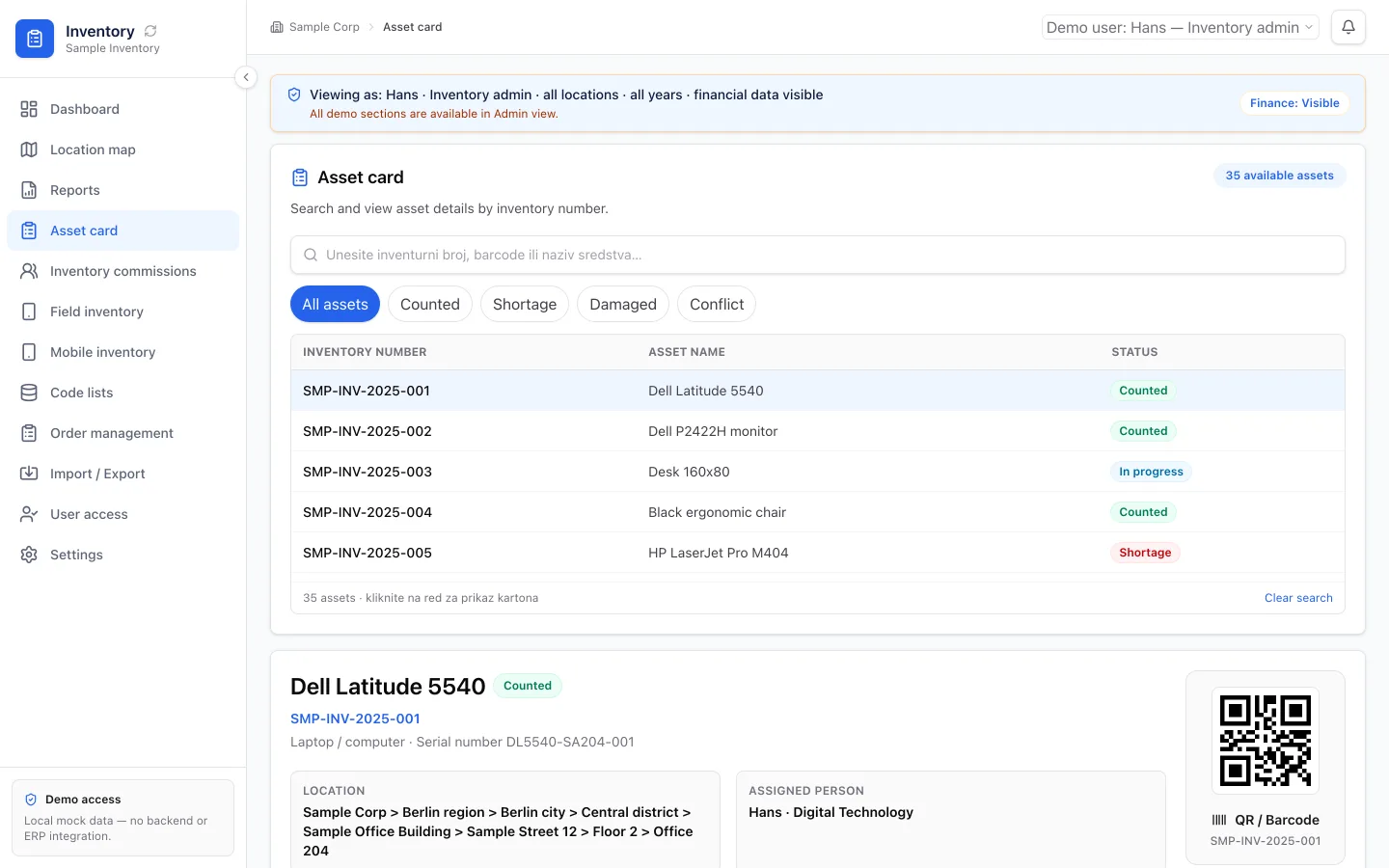
A new application can record activity without answering the question a manager brings to a meeting. A task marked “in progress” says little about what is blocking it, who must respond or whether its expected completion has changed.
Find the questions people repeat
Review the agenda of a recurring status meeting. Separate decisions from information requests. “Which option should we choose?” needs discussion. “Has the document arrived?” should be answerable from a record. Count how much of the meeting is spent finding facts before a decision can begin.
Choose one repeated information request and trace where its answer originates. If a document is received in email but its status lives in another tool, define who updates that record and what evidence accompanies the update.
Give status an operational meaning
Replace an ambiguous state with a small set of agreed meanings. “Waiting for customer information” should identify the requested item, when it was requested and the role following up. This is more useful than adding several colour-coded progress percentages.
An illustrative example: a delivery lead opens a review and sees three records waiting for the same missing attachment. The meeting can address the cause and assign a decision rather than asking three people to reconstruct their inboxes.
Test the change before removing the meeting
For the next cycle, ask participants to answer the factual questions from the system before meeting. Record which questions still require private messages. Those gaps may indicate missing updates, unclear terminology or access restrictions.
Keep discussion for tradeoffs and decisions. Reduce status collection only after the record is reliable enough to support it. For a related distinction, see reporting that executives can trust.